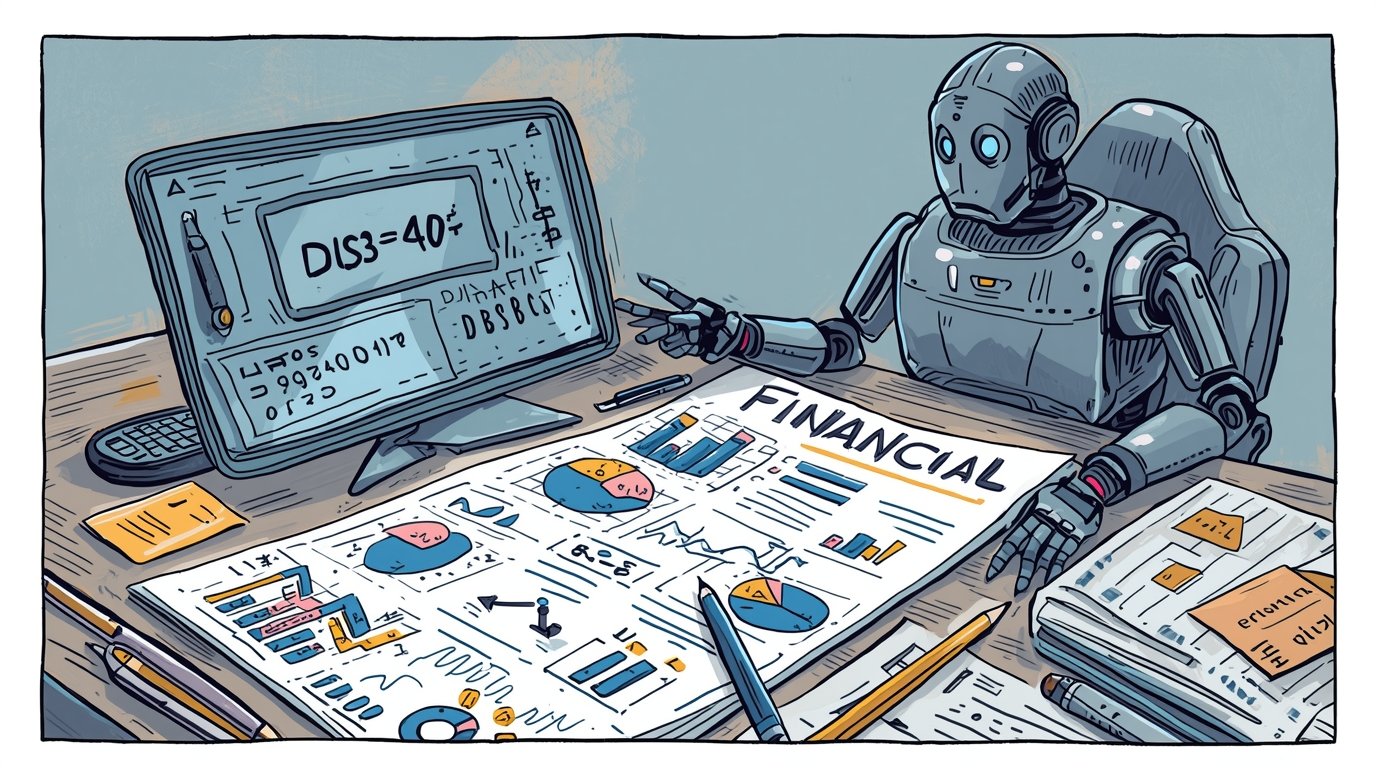
In the modern world, money is no longer just a physical medium of exchange; it has become a complex, multi-dimensional concept that interacts with technology, policy, and societal behavior. Traditional notions of currency are being challenged by digital finance, blockchain innovations, and alternative economic frameworks. Understanding these changes requires not only economic literacy but also awareness of how money functions in a globalized and increasingly digital environment. Discussions around money disquantified .org have emerged as a way to explore the evolving nature of finance, monetary theory, and economic behavior in a structured, analytical manner.
The term money disquantified .org embodies the idea of rethinking money beyond its traditional quantifiable forms. It encourages individuals, institutions, and policymakers to examine currency from perspectives that include digital assets, algorithmic finance, and societal impacts. This philosophy aims to demystify money by presenting it not just as a tool for transactions but as a dynamic system shaped by human behavior, technology, and governance.
Historical Perspective on Money
Money has a rich history that spans thousands of years. From barter systems to metallic coins, paper currency, and digital representations, the evolution of money reflects the changing needs and technologies of human societies. Early societies relied on tangible items with intrinsic value, such as grain, livestock, or precious metals, as mediums of exchange. Over time, standardized coins facilitated trade across wider regions, enabling economic growth and complexity.
The introduction of paper money marked a significant shift, allowing governments to control issuance and manage economies more efficiently. Banking systems emerged to facilitate loans, savings, and credit, creating new mechanisms for economic expansion. These historical developments provide a foundation for understanding contemporary discussions surrounding money disquantified .org, which examines the departure from purely physical or centralized forms of money toward more abstract and flexible representations.
Digital Transformation of Currency
In recent decades, technology has reshaped the way money is created, stored, and transferred. Digital banking, online payment platforms, and mobile wallets have made financial transactions faster, more convenient, and accessible to broader populations. Cryptocurrencies and blockchain technologies represent the next frontier, offering decentralized and programmable forms of money that challenge traditional financial institutions.
The conversation around money disquantified .org emphasizes how digital money changes perceptions of value and trust. Unlike conventional currencies, blockchain-based assets rely on cryptographic proof and decentralized consensus, reducing reliance on central authorities. This shift has implications for financial inclusion, privacy, and cross-border transactions, making it a topic of interest for economists, technologists, and policymakers alike. contact the disquantified
Digital money also introduces new forms of risk and complexity. Volatility, regulatory uncertainty, and cybersecurity threats require careful management. Understanding these risks is essential for both individual investors and institutions navigating the evolving landscape of digital finance.
Monetary Policy in a Changing World

Monetary policy, the management of money supply and interest rates by central banks, plays a crucial role in maintaining economic stability. Traditional tools such as inflation targeting, interest rate adjustments, and quantitative easing influence spending, saving, and investment behaviors. However, the rise of digital currencies and alternative financial systems complicates the implementation of these policies.
Insights from money disquantified .org highlight how central banks and regulators must adapt to a world where money is increasingly abstracted from physical form. For example, central bank digital currencies (CBDCs) are being explored as tools to modernize monetary systems and maintain control over the economy. At the same time, policymakers must consider issues such as privacy, cybersecurity, and equitable access to ensure these innovations benefit society as a whole.
The interaction between traditional monetary policy and emerging financial technologies underscores the importance of interdisciplinary approaches. Economists, technologists, legal experts, and sociologists must collaborate to create systems that are efficient, secure, and socially responsible.
Economic Behavior and Human Psychology
Money is not just an economic instrument; it is also a psychological and social phenomenon. Behavioral economics explores how individuals make decisions regarding spending, saving, and investing. Cognitive biases, cultural influences, and emotional responses all shape financial behavior in ways that traditional economic models may not fully predict.
The framework proposed by money disquantified .org emphasizes the human dimension of money. By understanding how perception of value and risk affects decision-making, individuals can make more informed choices. For example, the way people respond to digital assets often differs from traditional money due to differences in tangibility, volatility, and social signaling.
Financial literacy programs and educational initiatives that incorporate behavioral insights are crucial for equipping people to navigate increasingly complex financial landscapes. Recognizing the interplay between money, cognition, and culture enhances both personal finance outcomes and broader economic stability.
Technological Innovations in Payment Systems
Payment systems have undergone tremendous transformation, moving from physical cash to electronic transfers and mobile applications. Contactless payments, digital wallets, and instant peer-to-peer transactions have revolutionized the way people interact with money. Emerging technologies such as distributed ledgers and tokenization further expand possibilities for efficiency, security, and transparency.
The analysis of money disquantified .org underscores the importance of these innovations in reshaping economic interactions. For instance, micropayments, programmable money, and smart contracts enable new business models and reduce friction in commercial transactions. Businesses can automate recurring payments, track supply chains, and manage financial agreements with greater precision.
While these technologies offer significant benefits, they also raise questions about accessibility, inclusivity, and regulatory compliance. Ensuring that technological advancements do not exacerbate inequality or create systemic risks is a key consideration for policymakers and developers alike.
Regulatory and Legal Considerations
As money becomes more digital and abstract, regulatory frameworks must evolve to address new challenges. Issues such as fraud, money laundering, taxation, and consumer protection require updated policies that account for the unique properties of digital assets. Traditional regulations designed for physical cash or centralized banking may not suffice in a decentralized financial environment.
The research and discussions surrounding money disquantified .org provide insights into how regulators can balance innovation with security. Adaptive frameworks that encourage experimentation while maintaining oversight are critical for fostering trust and stability. Regulatory sandboxes, international cooperation, and standards development are examples of mechanisms that support responsible financial innovation.
Legal clarity also protects consumers and businesses. Clear definitions of ownership, liability, and dispute resolution are necessary to prevent conflicts and enhance confidence in digital financial systems.
The Role of Decentralization
Decentralization is a defining characteristic of emerging financial technologies. By distributing control across multiple participants rather than concentrating it in a single entity, decentralized systems can reduce risks associated with central points of failure, corruption, or inefficiency. Cryptocurrencies, peer-to-peer lending, and decentralized finance (DeFi) platforms illustrate the potential of this approach.
Insights from money disquantified .org emphasize that decentralization changes the relationship between money, trust, and governance. Users must understand technical mechanisms such as consensus algorithms, smart contracts, and cryptographic security. At the same time, social norms and reputation systems play an essential role in maintaining confidence in decentralized networks.
While decentralization offers many advantages, it also introduces complexity and uncertainty. Participants must be vigilant about security risks, regulatory compliance, and technological limitations to ensure that decentralized systems operate effectively and safely.
Financial Inclusion and Access
One of the most transformative aspects of modern financial systems is their potential to promote inclusion. Millions of people around the world remain unbanked or underbanked, lacking access to basic financial services. Digital platforms and mobile money systems provide opportunities to bridge this gap, enabling participation in the global economy.
The philosophy of money disquantified .org highlights the social impact of inclusive financial technologies. By reducing barriers to entry and providing accessible tools for saving, lending, and investment, digital finance can empower individuals and communities. Innovative solutions include mobile wallets, microloans, and blockchain-based identity verification.
Inclusion also requires education and support. Users must understand how to manage digital assets securely, interpret financial information, and make informed choices. When combined with robust technology, education, and regulation, financial inclusion can foster economic empowerment on a large scale.
Risks and Challenges

Despite its potential, the evolution of money introduces several risks. Digital assets are susceptible to cyberattacks, market volatility, and technical failures. Regulatory uncertainty can create confusion, while social and behavioral factors may lead to poor financial decisions.
The research associated with money disquantified .org underscores the importance of risk awareness and mitigation strategies. Diversification, security best practices, regulatory compliance, and continuous education are critical components of responsible participation in modern financial systems.
Understanding risks also helps inform policy and technology design. Developers and regulators can anticipate vulnerabilities, implement safeguards, and create resilient systems that protect both individual users and broader economic stability.
Future Prospects of Money
Looking ahead, money is likely to become even more abstract, programmable, and integrated with technology. Central bank digital currencies, blockchain-based payment networks, and AI-assisted financial management tools are poised to reshape how people interact with money. These innovations promise greater efficiency, security, and personalization.
The vision articulated by money disquantified .org emphasizes that the future of money is not merely about digital replication of cash but about rethinking value exchange itself. Concepts such as automated contracts, tokenized assets, and algorithmic monetary systems suggest a world where money adapts dynamically to needs and behaviors.
This transformation will require continued collaboration among technologists, economists, policymakers, and users. By embracing innovation while maintaining ethical, legal, and social frameworks, society can harness the full potential of a disquantified, digital financial ecosystem.
Conclusion
Money is evolving from a tangible medium of exchange into a dynamic system influenced by technology, behavior, and policy. Understanding this transformation requires a holistic perspective that includes history, economics, technology, regulation, and social impact. The insights offered by money disquantified .org provide a framework for thinking critically about these changes, encouraging individuals and institutions to navigate the modern financial landscape responsibly.
From digital currencies and decentralized platforms to inclusive access and behavioral insights, the evolution of money is multifaceted. By examining both opportunities and risks, society can foster a financial ecosystem that is efficient, secure, inclusive, and adaptable. Whether for personal finance, business operations, or public policy, the principles of disquantified money illuminate the path toward a more sophisticated and resilient economic future.
Ultimately, money is no longer just a unit of account or store of value—it is a complex, evolving system that reflects human creativity, technology, and societal priorities. By understanding and engaging with this system thoughtfully, individuals and communities can harness its potential to achieve financial stability, economic growth, and social empowerment.